
The Problem
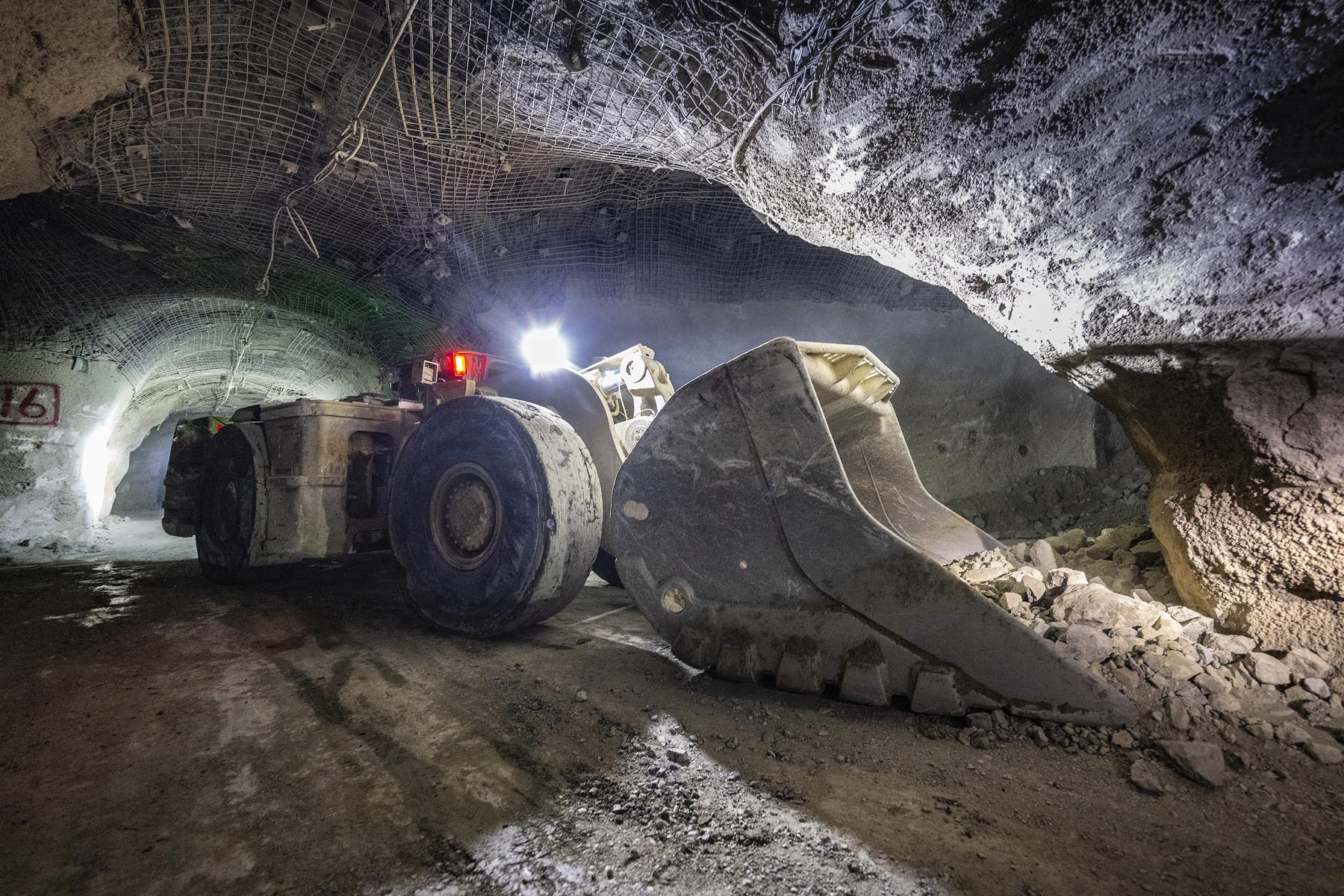
Cullinan Diamond Mine operates deep underground where conventional systems fail. Dispatch relied on radio calls and paper logs. No one had real-time visibility of where vehicles were, what they were carrying, or whether draw points were safe to load from.
The mine needed a system that could track LHDs in real time, manage draw point status, handle dispatch decisions underground, and keep running in an environment that destroys most electronics - dust, humidity, vibration, and zero cellular signal.
The Partnership
This project was a joint effort between Graybeard Solutions and Brandsplash. We handled the hardware, infrastructure, and systems integration. Brandsplash developed the software platform, web-based user interfaces, and data layer.
- Graybeard: Underground WiFi network, RFID Tag infrastructure, hydraulic sensing, LHD Operator Interfaces, MQTT backbone, field installation and commissioning
- Brandsplash: Dispatch application, fleet management UI, real-time dashboards, reporting, database and integration layer
What We Built
The infrastructure had to work 800 metres below surface, in tunnels where nothing stays dry, clean, or still for long.
- Underground WiFi network: Deployed hardened access points throughout active mining levels, giving vehicles and fixed stations persistent connectivity where none existed before
- RFID positioning: Rugged RFID tag readers were installed on the LHDs to track machine positions in real time. The RFID tags allow the on-machine control system to know where the LHD is operating and if the operator is allowed to load or dump in that location
- Hydraulic loading cycle sensing: Instrumented the LHDs with hydraulic sensors to detect loading cycle. Once the LHD bucket is fully loaded, the load location is automatically locked and reported to the Dispatch system. This provides dispatchers with real-time progress feedback as LHDs work through their draw cards
- LHD Operator Interface: Developed the operator interface on a Mobile Machine HMI. The operator receives a draw card from the dispatch system and has a constant onboard overview of where the machine is assigned, the machine's current location, and how many loads are still required. The operator interface also serves as a two-way communication channel between the LHD operator and the dispatchers
- MQTT messaging backbone: Implemented a lightweight publish-subscribe messaging layer that ties every sensor, user interface, and reader into a single coherent data stream. Plans and results are continually transported back and forth between surface and underground, with guaranteed delivery and fully fault-tolerant communications infrastructure
What the System Does
With the infrastructure in place, the full dispatch platform - built by Brandsplash on top of our hardware layer - delivers:
- Live dashboards showing every vehicle position and status underground
- Automated fleet dispatch and task assignment
- Draw point control with real-time gate status and hang-up detection
- Operator messaging and safety alerts direct to LHD operator UI
- Production tracking per shift, per level, per draw point
- Asset tracking and utilisation reporting
A Decade Underground
This system has been in continuous production for over ten years. That is not a proof of concept or a pilot programme - it is a system that runs every shift, every day, deep underground.
Hardware gets replaced. Access points get relocated as mining advances. But the architecture holds. The design was built for a mine that moves, and it has kept moving with it.
Lessons
Underground mining does not forgive fragile systems. Everything must tolerate dust, water, vibration, and operators who do not have time to troubleshoot. If it does not work the first time they touch it, it does not get used.
The reason this system has lasted is simple: it was designed by people who understand field conditions, built with components that belong underground, and supported by a partnership - with Brandsplash - where both sides knew their lane and delivered.